According to the American Heart Association, each year about 635,000 people experience a new heart attack in the United States. An astounding 1 out of 7 deaths in the U.S. is caused by coronary heart disease (AHA). Learning how to recognize and treat a heart attack can save the life of a friend or loved one.
What is a heart attack?
The heart needs a continuous supply of blood and oxygen to survive. During a heart attack, a partial or complete blockage occurs in one or more of the heart’s pipes, or “arteries.” This blockage causes a section of the heart to become damaged from a lack of nutrients.
This can produce pain and other symptoms. If the blockage is not fixed, permanent damage and death can result. Although a heart attack victim is usually awake at first, severe heart attacks can cause someone to lose consciousness and stop breathing – a condition called cardiac arrest which requires CPR.
What are the signs of a heart attack?
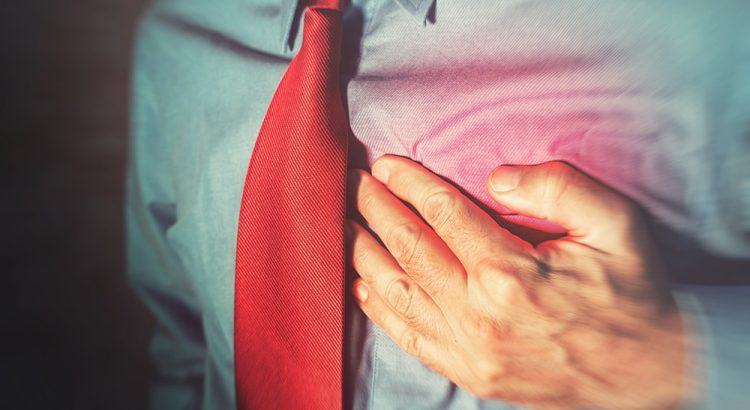
Chest discomfort, which can include: pain, pressure, squeezing, tightness, fullness, burning etc.
Pain or other sensations in other areas of the body including:
One or both arms
Neck
Jaw
Back (between the shoulder blades)
Abdomen
Difficulty breathing or shortness of breath
Nausea / vomiting
Dizziness / weakness / fainting
Pale, cool, moist skin
Rapid heartbeat
Slow heartbeat
Certain types of patients – including women, diabetics and the elderly – often experience symptoms other than chest pain during a heart attack.
How can I treat a heart attack?
If you think someone might be having a heart attack, do the following:
Call or send someone to call 9-1-1
If an AED is available at your workplace, send someone to get it.
Keep the patient as calm as possible.
If the patient is above 18 years of age and has no allergies to it, administer two (2) chewable 81mg tablets of low dose aspirin or one (1) chewable tablet of regular adult dose aspirin. Aspirin has been shown to save lives during heart attacks by reducing clotting in the bloodstream.
Monitor the patient’s consciousness and breathing.
If the patient becomes unconscious, immediately move them to the ground and check to see if CPR is needed:
If the patient is unresponsive and not breathing (or only gasping) -> Immediately Begin CPR
If the patient is breathing, roll them onto their side to protect the airway and remain vigilant to see if breathing stops until the ambulance takes over.
You can learn more about how to help a person experiencing a Heart Attack by taking a First Aid CPR AED course.