The Difference Between BLS and CPR Certification

The Difference Between BLS and CPR Certification

Not all lifesaving techniques are the same or apply to the same situations. Every emergency is different, and each health problem requires a tailored approach. Here is the difference between BLS and CPR certification.


The Curriculum

One of the main differences between basic life support (BLS) and cardiopulmonary resuscitation (CPR) courses is in their intended audience. They simply follow alternate procedures for providing lifesaving care, thereby allowing people of differing professions to receive the specific courses they need. Basic life support courses are typically more in-depth and complex and are based on working in teams with other professional rescuers in the medical field, whereas CPR training teaches you the essentials about performing the CPR technique on a family member or co worker as a single rescuer.


The Attendees

The people who attend these courses and work for their certifications also differ. Many people in BLS courses work as professional rescuers or are in school training for a medical career such as doctors, nurses, and EMT’s. Since their job duties require more structured and detailed care, they often have access to different lifesaving equipment that is not typically available to the general public. CPR courses will draw people from all backgrounds, from personal trainers and babysitters to business managers alike. These people work in comparatively low-risk scenarios where they likely only need to know CPR and how to call the proper authorities.


The Applications

The attendees in the courses change how the instructors present and structure information. Furthermore, the application of BLS or CPR skills varies from person to person. A professional rescuer will apply BLS skills each day as they respond to emergency calls. A business professional will apply their CPR skills at home or work if there is an emergency at hand. Employers in the healthcare field require American Heart healthcare providers BLS training while other industries encourage CPR training.

Knowing the difference between BLS and CPR certification will help you choose which class is right for you. If you have any questions about your needs or the courses we offer, reach out to us at Frontline Health today!
What First Aid Training Includes

What First Aid Training Includes

Fundamental lifesaving skills are important to learn for your safety and that of others. Without proper training, people are less likely to act or act with the appropriate techniques during an emergency. If you are looking to prepare yourself and learn more, here is what first aid training includes.


Foundational Knowledge

Every new skill requires a baseline foundation of knowledge. This background information cements fresh ideas, allowing them to stick more quickly. If you were to learn how to perform CPR without understanding what you were doing to a person’s lungs and heart, you would be less capable of administering CPR. It is the same with all other basic first aid. You must learn how to identify various medical emergencies and discern which solutions best fit each scenario. You can expect the beginning of first aid training to teach you the foundational medical concepts.


Safe Practice

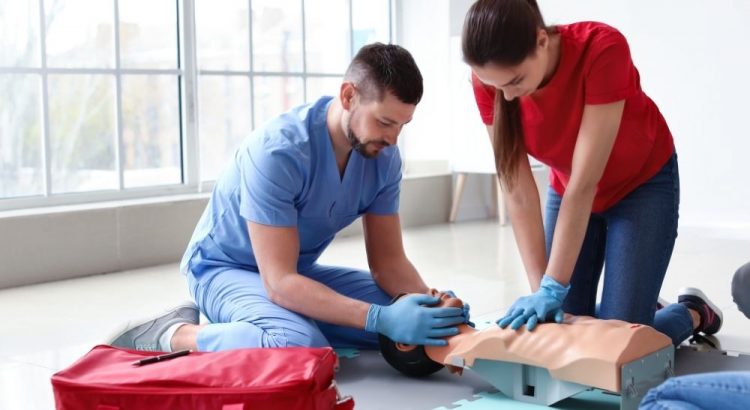
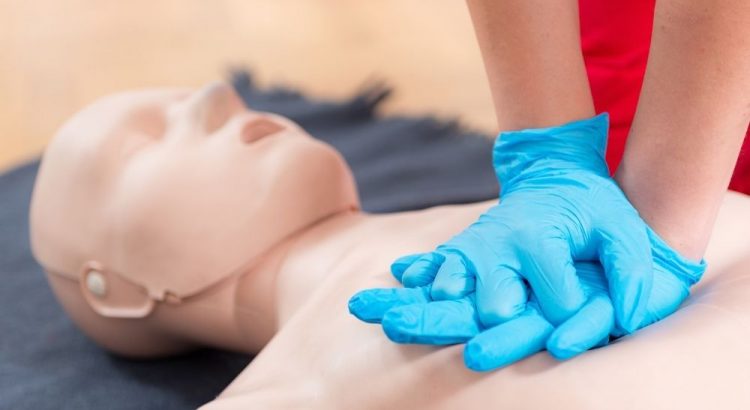
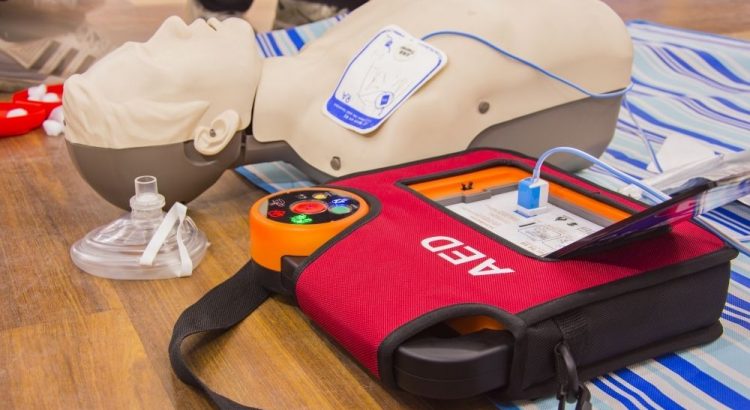
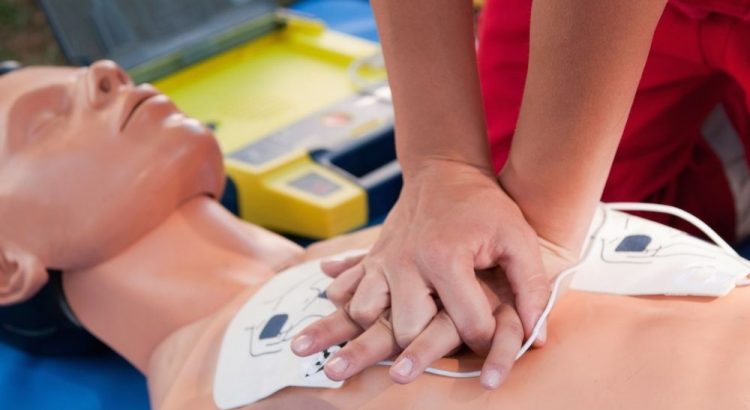
Once you understand how to diagnose and act in emergencies, you must then practice the techniques themselves. Learning about something in a classroom setting is much different than physically doing it in real life, and this is where practice comes in. Your first aid instructor will have a CPR practice manikin and AED machine on hand to guide you through the steps. You and your classmates will take turns performing chest compressions at the correct rhythm and depth. Practicing these first aid techniques in a safe environment helps you to hone your skills without consequences. You do not want the first time you practice CPR to be on a real person.


Continual Refreshing

Whether you complete first aid training for the first or fifth time, continual refreshing is critical to the long-term success of the lesson. Throughout your training, the instructor will assess your performance and retention of the information. In many cases, there will not be any kind of written examination, but you should try your hardest to remember the day’s information. Though emergencies happen all the time, you may not personally be a part of one for the next few months or even years. So it is important to regularly recertify in first aid skills.

Figure out what first aid training includes and find a class for your needs today. If you are looking for first aid, CPR, and AED training certification, reach out to our team here at Frontline Health for more information on class opportunities.

How To Become CPR and First Aid Certified

How To Become CPR and First Aid Certified

The world would be a lot safer if everyone had proper emergency first aid training. There are numerous situations where people may need immediate help but do not have anyone nearby who knows how to provide it. So, take the first step toward emergency preparedness today. Here is how to become CPR and first aid certified.

Research Which Class Is Right for You

Most people who become CPR and first aid certified come to the classroom without any prior training. However, this is not always the case. Many medical and educational professionals must update their certification as a prerequisite for their job. When you are looking for certification or recertification, it is important to research the correct level of training for your station.

Sign Up for Local Courses

There are plenty of CPR training options located across the U.S., so it is usually pretty easy to find a local provider. This way, you do not have to travel as far, and you can easily contact your trainer with any follow-up questions. Local courses will also be able to recommend you to nearby hospitals and update you on emergency procedures for your area. For example, our team at Frontline Health offers CPR and AED classes in the metropolitan New York area.

Refresh and Recertify

Whether you work in an emergency field or not, refreshing your memory is a great way to hold on to these invaluable skills. It is no secret that our memories fade when we are not actively using a skill, especially when specific numbers and actions are involved. Though emergencies can happen at any time, they do not happen often enough for us to use these skills regularly. Many certifications expire within two years, so make sure to go back and recertify yourself. This will keep your mind sharp and hands ready to assist no matter what happens or when an emergency occurs.

Knowing how to become CPR and first aid certified allows you to quickly find a relevant and useful course. Administering CPR, operating an AED, and giving first aid are all serious situations, so make sure you’re fully prepared with the right class for you. Reach out to us at Frontline Health if you have any questions about CPR and first aid classes.

Why Basic First Aid Knowledge Is Essential

Why Basic First Aid Knowledge Is Essential

The world can be unpredictable, with emergencies happening all the time. But, oftentimes, we are helpless to act quickly and appropriately in these situations. Here are a few reasons why basic first aid knowledge is essential.

Saves Lives

It may sound cliché or obvious, but basic first aid knowledge can truly mean the difference between life and death for someone in an emergency. Unfortunately, comparatively few people in the general public know basic lifesaving techniques. Most emergencies happen at home or at work where people spend the majority of their time, so there will usually be people around. However, if no one knows how to handle the situation, the injured person may not survive long enough before paramedics arrive.

Increases Safety

Safety is a big concern in everything from child toys to manufacturing plants. The way we understand the risks and dangers around us define how we interact with many of the places, and even people, we meet. Safety is largely defined by the preventative measures and procedures in place before an accident happens—basic first aid is one of these solutions. Receiving basic first aid training increases safety both for the general public and for you individually. As an example, consider you are at home alone and receive a substantial cut. By knowing how to handle a hemorrhage, you can stop your own bleeding while you wait for medics to arrive.

Encourages Care

Many of us want to help in dire situations, especially when we are the only ones physically present to do something. However, it is difficult to help without the proper tools and education. An inability to act means an inability to engage. Therefore, a potential result is that we could become callous toward others and stop caring in emergency situations. However, basic first aid knowledge can equip you to act, care, and protect others.

After reading these reasons for why basic first aid knowledge is essential, you may be considering taking a few steps toward educating yourself. If you are looking for first aid CPR AED certification classes (NYC), reach out to Frontline Health for more information.

Performing CPR

Reasons To Become CPR Certified

Knowing life-saving skills can come in handy in all kinds of situations. When you or someone around you is in an emergency, you can be the one to step up and help. Here are a few of the top reasons to become CPR certified.

Save a Life

It may seem like an obvious point, but being CPR certified does equip you with the tools and know-how to save a life in an emergency. Whether you are administering CPR compressions or operating an AED machine, you will be able to provide essential first aid to those around you. Most emergencies happen at home or work—these are the places most of us spend much of our day-to-day life. However, it takes time for emergency responders to arrive. By performing CPR, you can keep a person alive long enough for them to receive full-scale medical attention.

Everyone Can Learn CPR

Though you need to take a class to learn CPR and become certified, it is an easy thing to learn. But just because it’s simple does not mean it’s something you should take less seriously. Consider signing up for a class in your local area and adding this skill to your resume. In the months and years after your certification, try refreshing your memory with online tutorials and videos so that you never lose the skill.

Not Enough People Are Certified

The unfortunate reality is that there are too many people not certified in CPR. Because emergencies can happen at any time, anywhere, it is essential that as many people as possible get certified. By taking a CPR class and becoming certified, you take responsibility for those around you and can encourage others to become certified as well. 

Take these reasons to become CPR certified to heart, and learn how to save a life. If you are looking for hands-on CPR and AED certification in NYC, contact a member of our team at Frontline Health today.