What To Expect at Your BLS Certification Course

What To Expect at Your BLS Certification Course

Learning about life-saving techniques is essential, especially if you work as an emergency responder or healthcare provider. Here is what to expect at your BLS certification course.


BLS Basics

Basic life support skills are anything but basic. However, they are the foundation of emergency cardiac care. The basic skills you’ll learn in a BLS provider course include single rescuer CPR, team-based CPR, choking relief, and AED operation for adults, children, and infants—all things you would need to resuscitate unresponsive victims or provide immediate treatment.


Instruction Style

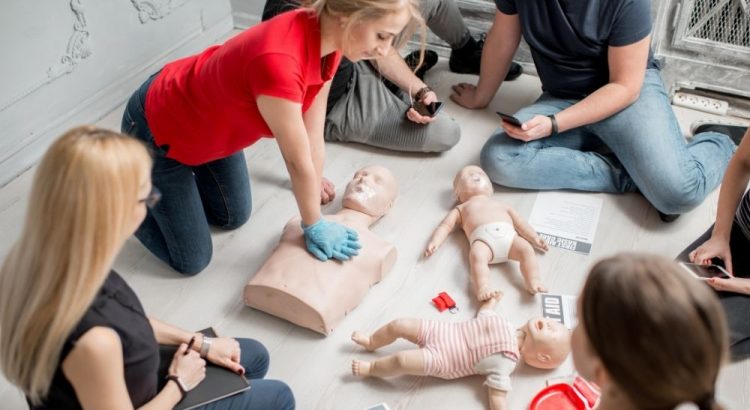
Unlike a college course or high school class, BLS courses are not semester-long endeavors. These classes consist of interactive videos, lectures, and—the most important part—hands-on skills practice within a two to four-hour classroom-based session. Though you will practice the skills with your own hands, it helps to bring a notebook to write down tips and tricks to ensure you are better prepared for the written exam. The instructors are medical professionals or highly trained individuals who will coach you through each step of the lifesaving process.


Class Environment

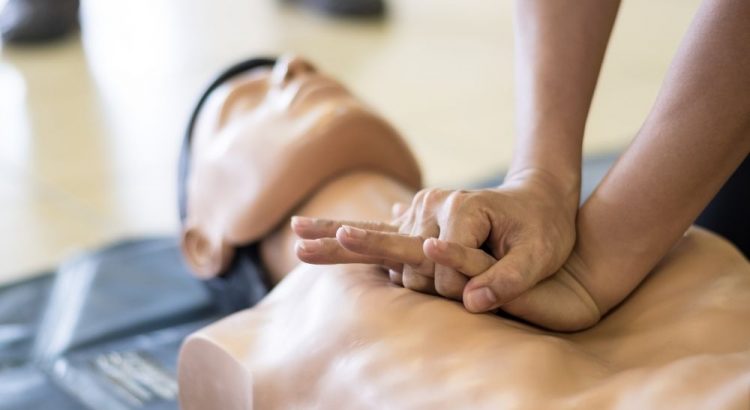
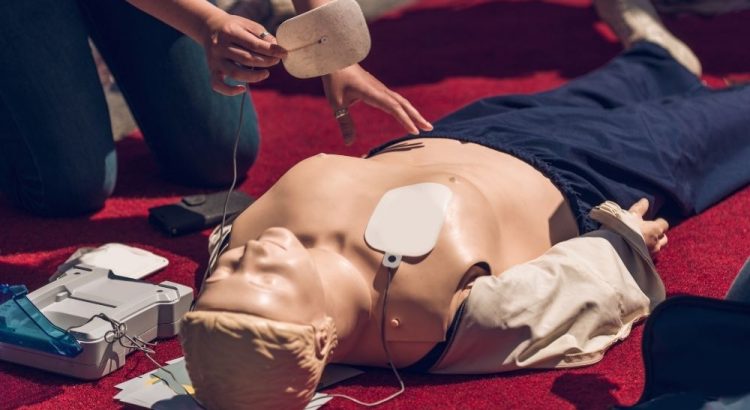
Before you walk into class, you should know what to expect inside. As with any learning environment, BLS provider classes have the equipment to teach you the basics, from AED training devices to CPR manikins. BLS certification courses require hands-on activity, so prepare yourself to get down on the floor and practice chest compressions and breaths. This means you should wear comfortable clothes that you can easily move around in.


Now that you know what to expect at your BLS certification course, you should consider signing up for one. At Frontline Health, we offer high-quality BLS provider classes if you need American Heart healthcare providers BLS certification in NYC. Our courses are comprehensive and provide an in-depth exploration of the skills and knowledge needed to provide basic life support skills.
The Difference Between Adult and Pediatric CPR

The Difference Between Adult and Pediatric CPR

In a cardiac emergency, all it takes is one person to step forward and decide to take action. This quick thinking can mean the difference between life and death for unresponsive victims. While CPR is a relatively straightforward method that people can learn quickly, it is not one-size-fits-all in the real world. Here is the difference between adult and pediatric CPR.


Adult Cardiopulmonary Resuscitation

Cardiopulmonary resuscitation—or CPR—is a combination of 30 rhythmic chest compressions and two rescue breaths. CPR involves using both hands to compress the center of the chest at least two inches deep at a rate of 100 to 120 compressions per minute in order to physically stimulate the heart. Give rescue breaths with just enough air to make the chest start to rise.


Pediatric Cardiopulmonary Resuscitation

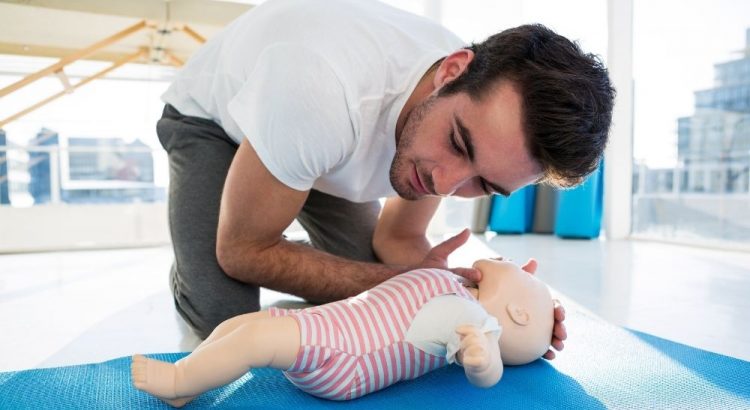
With children and infants, you must do the same actions with only slight variations. For children ages one year to puberty, you compress the chest with one or both hands—whichever allows you to compress to a depth of about two inches. Don’t be afraid of pressing too hard. You should only use two or three fingers and compress to a depth of about 1 ½ inch for infants under one year old. Rescue breaths should involve less air since their lungs are smaller. You use the same ratio of compressions to breaths and rhythm as you would for adults: 30 chest compressions at 100–120 compressions per minute, followed by two small breaths.


Why These Differences Exist

Obviously, a fully developed adult body differs significantly from that of a child. Not only are they different in size but also weight and bone density.


While adult and pediatric CPR both require chest compressions and rescue breaths, their application differs slightly. It is essential to know the difference between adult and pediatric CPR so that you can offer lifesaving aid in an emergency. Sign up for our hands-on CPR AED certification in NYC today to learn more about CPR and how to administer it correctly. If you have any questions, our team at Frontline Health will be more than happy to help.

Who Should Get Basic First Aid and CPR Training

Who Should Get Basic First Aid and CPR Training

Emergencies happen all the time, and everyone should have the training to handle them. Medical professionals learn in-depth procedures to help in an emergency, but the general population can do so too. Professionals in every industry live and work around others who could use a hand in a difficult situation. Here is who should get basic first aid and CPR training and why.

Medical Professionals

It goes without saying that people who work in medicine should understand basic first aid and CPR training along with much more advanced lifesaving skills. Medical professionals are the ones whom others rely on to administer higher-level care, so they must understand the basics. Without a solid foundation or refreshed knowledge of these skills, these individuals could endanger the lives of those who need their help.

Parents

Children are wonderful, but they often get into dangerous situations. As a parent, your kids could burn themselves, begin drowning in water, fall from high places, or choke on food or other items. In every situation, first aid and CPR could come in handy to save your child and keep them safe until professional medical help arrives. That’s why parents should take courses like Frontline Health’s first aid CPR AED certification classes in NYC.

Caregivers

Much like parents, caregivers for older adults must know how to react in a challenging situation. Older adults may have limited motor function which could open them up to significant risk after even the smallest fall or cut.

Emergency Responders

Everyone should know the basics of first aid and CPR. If those who witnessed an incident don’t know CPR, they rely on emergency responders to do it for them. Law enforcement officers and firefighters should understand the finer points of first aid and CPR so they can act quickly and decisively.

If you know who should get basic first aid and CPR training, you can gauge your need for health education. Even if you don’t fit into these categories, you should consider learning the basics. With one more trained citizen out and about, the world becomes a safer place. Check out our class availabilities at Frontline Health and sign up for one today.

CPR Performance: Common Mistakes To Avoid

CPR Performance: Common Mistakes To Avoid

Every emergency requires our attention, or we may apply care improperly. During medical emergencies, it is even more critical to address injuries with precision. Here is CPR performance: common mistakes to avoid.

Applying Less Pressure

Humans have incredible bodies with safety mechanisms and protective structures. However, in an emergency, the ribcage can prove to be an obstacle in reaching the heart. Many of us have a difficult time applying the proper amount of pressure to this area of the body, since we do not want to harm someone. But many times, people apply less pressure than required, which ultimately has little effect on someone experiencing a cardiac arrest. Maintain the correct rhythm and apply proper pressure to keep the victim alive—even if it means causing minor injuries.

Forming Hands Incorrectly

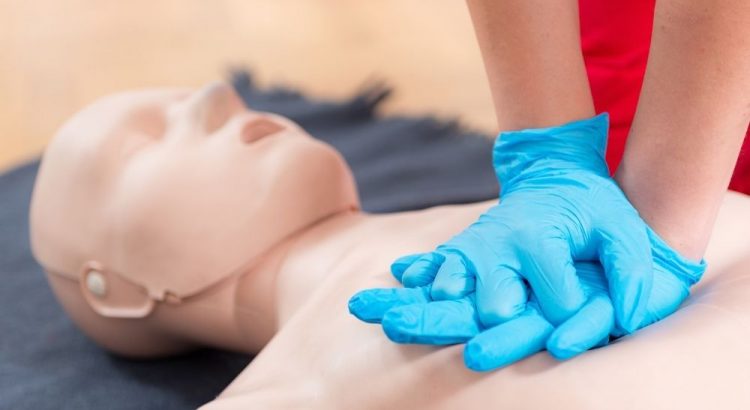
The way you position your hands when applying forceful, downward pressure changes the outcome of the CPR maneuvers. If you place your hands incorrectly, you will deliver ineffective compressions or apply pressure in the wrong place. Do not separate your hands during CPR, as this will diffuse the force and keep you from providing the proper pressure. Keep your hands on top of each other, with the top hand’s fingers interlaced with the bottom ones, so you apply direct pressure to the center of the chest without losing your grip.

Neglecting To Contact Authorities

Performing CPR is one thing, but finding further help is another. In emergency scenarios, it can be difficult to keep a level head, especially if you are the one performing CPR. You must call for help or emergency medical services will never arrive. People who need CPR require further medical attention, so you should alert the proper authorities immediately. Calling for help should always be your first priority.

Know the common CPR performance mistakes to avoid so you can help someone the right way. If you need hands-on CPR AED certification in NYC, browse our course selection at Frontline Health to find the best fit for you.

The Difference Between BLS and CPR Certification

The Difference Between BLS and CPR Certification

Not all lifesaving techniques are the same or apply to the same situations. Every emergency is different, and each health problem requires a tailored approach. Here is the difference between BLS and CPR certification.


The Curriculum

One of the main differences between basic life support (BLS) and cardiopulmonary resuscitation (CPR) courses is in their intended audience. They simply follow alternate procedures for providing lifesaving care, thereby allowing people of differing professions to receive the specific courses they need. Basic life support courses are typically more in-depth and complex and are based on working in teams with other professional rescuers in the medical field, whereas CPR training teaches you the essentials about performing the CPR technique on a family member or co worker as a single rescuer.


The Attendees

The people who attend these courses and work for their certifications also differ. Many people in BLS courses work as professional rescuers or are in school training for a medical career such as doctors, nurses, and EMT’s. Since their job duties require more structured and detailed care, they often have access to different lifesaving equipment that is not typically available to the general public. CPR courses will draw people from all backgrounds, from personal trainers and babysitters to business managers alike. These people work in comparatively low-risk scenarios where they likely only need to know CPR and how to call the proper authorities.


The Applications

The attendees in the courses change how the instructors present and structure information. Furthermore, the application of BLS or CPR skills varies from person to person. A professional rescuer will apply BLS skills each day as they respond to emergency calls. A business professional will apply their CPR skills at home or work if there is an emergency at hand. Employers in the healthcare field require American Heart healthcare providers BLS training while other industries encourage CPR training.

Knowing the difference between BLS and CPR certification will help you choose which class is right for you. If you have any questions about your needs or the courses we offer, reach out to us at Frontline Health today!