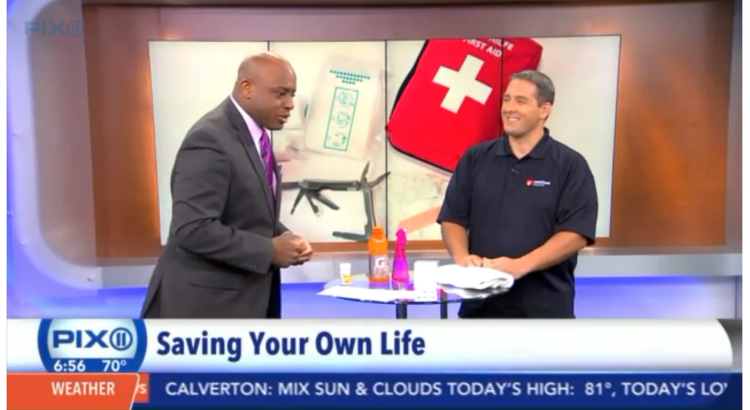
Accidents happen. People get sick. It’s a part of life.
Although we can take steps to reduce injury and illness, the fact remains that an emergency will happen from time-to-time and being prepared for it can help produce the best possible outcome for a victim.
Having a well-stocked First Aid kit is an important part of protecting yourself and your family.
Many workplaces and homes have these kits. They typically buy them pre-stocked with a wide variety of items that “someone else” has decided is valuable in an emergency. A quick search on Amazon for “first aid kit” yielded 58,709 results!
There are 2 problems with this approach:
- You’re trusting some faceless company to properly stock your First Aid Kit without considering your individual needs or level of training. These companies are often focused more on their bottom line than ensuring you have what you need. For example, many pre-made kits come with random ointments, but don’t include tourniquets – considered by trauma physicians to be an essential lifesaving tool to stop bleeding.
- If you allow someone else to assemble your kit, you won’t know what you have available or where things are kept.
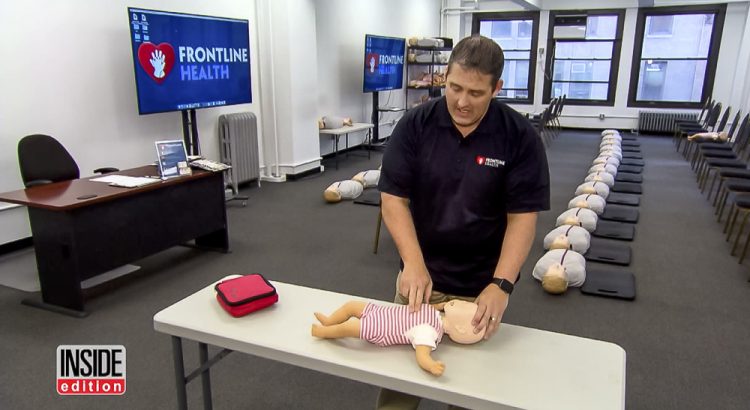
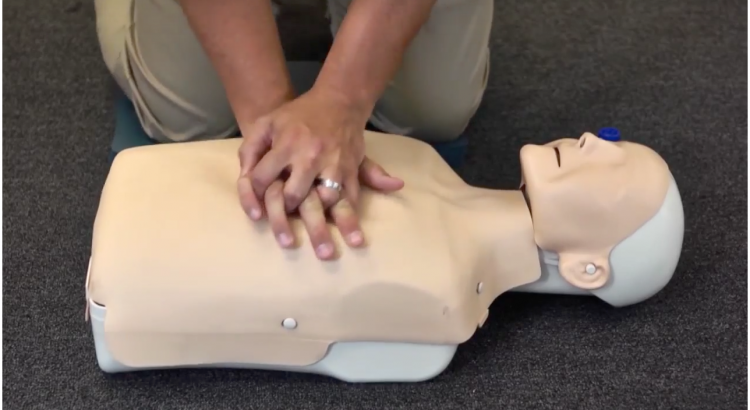
A much better approach is to buy a first aid kit completely empty and buy items to fill it up based on your level of training and comfort. Take a First Aid course. During your class, make note of those items you would need to treat the different injuries and illnesses you learn about. Ask your instructor for recommendations. And above all… make sure you and everyone else at work/home knows where the First Aid kit is – and what’s inside it.
Tips for Home Preparedness
All relevant information should be posted by the telephone, including:
The emergency response number (for example, do you need to dial an outside extension to reach 911?)
Your address
Poison control number 1-800-222-1222
Written directions to the nearest Automated External Defibrillator (AED)
Ensure your house or apartment number is large, well-lit and clearly visible.
First Aid Kit Suggestions:
- Pocket Mask for CPR (collapsable w/ one way valve): To give breaths during CPR
- Large nitrile (non-latex) gloves (2 pair): To protect rescuers from bodily fluids
- Shears (1): To remove clothing or cut bandages
- Bandaids (1 box of regular; 1 box of X-large): For minor scrapes
- 4×4 gauze pads (5-10): Used to stop minor bleeding
- 5X9 gauze pads (1-2): Used to stop major bleeding
- Combat Application Tourniquet – C.A.T. (1): To stop life-threatening bleeding in an arm or leg
- 3″ roller gauze (1): To wrap and secure gauze pads in place
- 2″ roller gauze (1): To wrap and secure gauze pads in place
- 1″ tape (1): To secure roller gauze in place
- Anti-septic cream (1 box of individual packets): For use on minor scrapes to prevent infection
- Cotton-tip applicators (1 small bag): To apply anti-septic cream
- Waterjel Burn Pads (1-2): For pain relief of minor burns after 10 minutes of cold water rinsing
- Sterile water 250ml (1 bottle): To clean minor wounds, or wash an amputated part
- Tweezers (1): To remove ticks and splinters
- Small packaged alcohol wipes: To clean tweezers or dirty skin
- Gallon-size ziplock bags (1-2): To hold ice used for cold compress, or to protect an amputated part
- Instant Cold Pack (1-2): To relieve pain and swelling
- Insta-Glucose (1): Oral sugar to give to diabetics experiencing low blood sugar
- Baby Aspirin (81mg tablets): To assist heart attack victims
- Benadryl: To treat allergic reactions
The outline above is not a substitute for formal instruction. Please contact our team for more information on taking a First Aid CPR AED certification class.