How To Become CPR and First Aid Certified

How To Become CPR and First Aid Certified

The world would be a lot safer if everyone had proper emergency first aid training. There are numerous situations where people may need immediate help but do not have anyone nearby who knows how to provide it. So, take the first step toward emergency preparedness today. Here is how to become CPR and first aid certified.

Research Which Class Is Right for You

Most people who become CPR and first aid certified come to the classroom without any prior training. However, this is not always the case. Many medical and educational professionals must update their certification as a prerequisite for their job. When you are looking for certification or recertification, it is important to research the correct level of training for your station.

Sign Up for Local Courses

There are plenty of CPR training options located across the U.S., so it is usually pretty easy to find a local provider. This way, you do not have to travel as far, and you can easily contact your trainer with any follow-up questions. Local courses will also be able to recommend you to nearby hospitals and update you on emergency procedures for your area. For example, our team at Frontline Health offers CPR and AED classes in the metropolitan New York area.

Refresh and Recertify

Whether you work in an emergency field or not, refreshing your memory is a great way to hold on to these invaluable skills. It is no secret that our memories fade when we are not actively using a skill, especially when specific numbers and actions are involved. Though emergencies can happen at any time, they do not happen often enough for us to use these skills regularly. Many certifications expire within two years, so make sure to go back and recertify yourself. This will keep your mind sharp and hands ready to assist no matter what happens or when an emergency occurs.

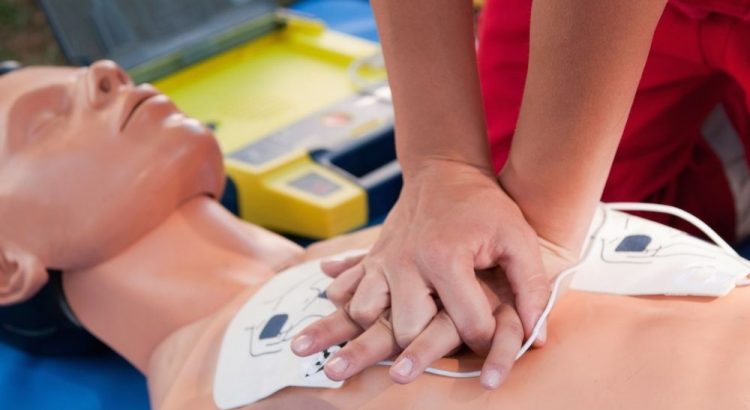
Knowing how to become CPR and first aid certified allows you to quickly find a relevant and useful course. Administering CPR, operating an AED, and giving first aid are all serious situations, so make sure you’re fully prepared with the right class for you. Reach out to us at Frontline Health if you have any questions about CPR and first aid classes.

Why Basic First Aid Knowledge Is Essential

Why Basic First Aid Knowledge Is Essential

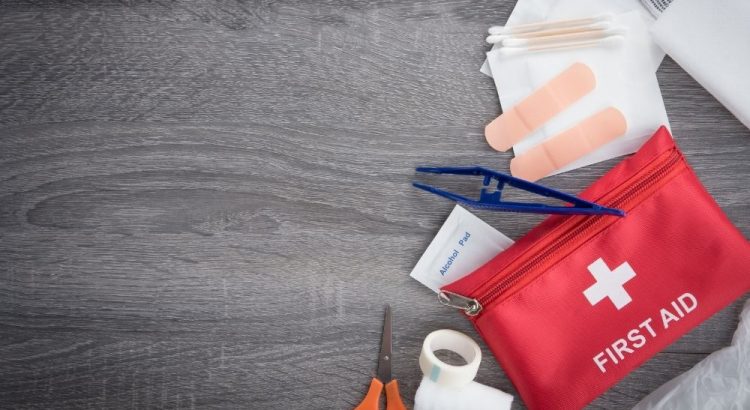
The world can be unpredictable, with emergencies happening all the time. But, oftentimes, we are helpless to act quickly and appropriately in these situations. Here are a few reasons why basic first aid knowledge is essential.

Saves Lives

It may sound cliché or obvious, but basic first aid knowledge can truly mean the difference between life and death for someone in an emergency. Unfortunately, comparatively few people in the general public know basic lifesaving techniques. Most emergencies happen at home or at work where people spend the majority of their time, so there will usually be people around. However, if no one knows how to handle the situation, the injured person may not survive long enough before paramedics arrive.

Increases Safety

Safety is a big concern in everything from child toys to manufacturing plants. The way we understand the risks and dangers around us define how we interact with many of the places, and even people, we meet. Safety is largely defined by the preventative measures and procedures in place before an accident happens—basic first aid is one of these solutions. Receiving basic first aid training increases safety both for the general public and for you individually. As an example, consider you are at home alone and receive a substantial cut. By knowing how to handle a hemorrhage, you can stop your own bleeding while you wait for medics to arrive.

Encourages Care

Many of us want to help in dire situations, especially when we are the only ones physically present to do something. However, it is difficult to help without the proper tools and education. An inability to act means an inability to engage. Therefore, a potential result is that we could become callous toward others and stop caring in emergency situations. However, basic first aid knowledge can equip you to act, care, and protect others.

After reading these reasons for why basic first aid knowledge is essential, you may be considering taking a few steps toward educating yourself. If you are looking for first aid CPR AED certification classes (NYC), reach out to Frontline Health for more information.

Beat the Heat! How to Help Someone Suffering from a Heat Emergency

It’s a sweltering hot summer day.  You’re walking on the white-hot sidewalk, sweat pouring down your face, when you suddenly notice a jogger hunched over on the ground.  You approach her and notice that she’s drenched in sweat — her eyes are half-closed and she’s mumbling incoherently.  This is a serious medical emergency.


Heat emergencies occur when a person’s body overheats from hot temperatures and dehydration.  It is critical to identify early signs of a heat emergency because without early treatment, symptoms can worsen and become life-threatening.  Your quick actions could save a life.

There are 3 types of heat emergencies in order from least-to-most severe:  

Heat Cramps

Heat Exhaustion

Heat Stroke

1) Heat CrampsAn early sign that the body is having trouble with heat.

  • Signs:  painful muscular spasms, usually in the legs or abdomen; often heavy sweating; the patient is awake and in a lot of pain.
  • Treatment:
    • Move the person to a shady or cool spot.
    • If the person is awake and able to swallow, give him slow sips of a drink containing electrolytes and carbohydrates (a commercial sports drink, coconut water or milk), or regular water.
    • Gently stretch the muscle and massage the area to relieve the cramps.
    • If the person becomes confused or unconscious, call 9-1-1.

2) Heat Exhaustion – More serious and can become deadly if left untreated.

  • Signs:  cool, moist skin; headache; dizziness; weakness; nausea.
  • Treatment:
    • Move the person to a shady or cool spot.
    • Remove excess clothing.
    • Spray the person with cool water or apply cool wet cloths, and fan him.
    • If the person is awake and able to swallow, give him slow sips of a drink containing electrolytes and carbohydrates (a commercial sports drink, coconut water or milk), or regular water. Don’t let the person drink too quickly.
    • If the person becomes confused or unconscious, call 9-1-1.

3) Heat Stroke – A life threatening emergency.

  • Signschanged mental status (i.e. confusion, unresponsiveness, seizures); hot skin; vomiting; rapid breathing; difficulty seeing.
  • Treatment:
    • Call or have someone else call  9-1-1.
    • Move the patient to a cool area, if possible.
    • Rapidly cool the body using ice or cold water. Consider submerging the patient in a cool bath, or place ice cold compresses on the neck, armpits and groin. Do not pour water onto the head or face.
    • Continue rapidly cooling the person for 20 minutes or until the person can respond to questions.
    • Do not give the person anything to drink if they are not awake or cannot swallow.
    • If the person starts vomiting, roll them on their side to prevent them from choking.
    • If necessary, begin CPR.

Learn to Save a Life! Take a First Aid CPR AED Course Today!

First Aid for an Embedded Object

Don’t Remove an Impaled Object!

You’re sitting at your desk at work when you suddenly hear a loud crash and the sound of breaking glass. You run out to the hallway and find an injured coworker lying on the floor, a large piece of glass stuck in her leg. She tells you that a large glass vase shattered and pierced her calf.

How to care for a person with an Impaled Object? 

An penetrating injury occurs when an object enters the body, causing a wound. Sometimes the object will remain stuck in the body. For example, a large piece of glass, wood or metal might be seen sticking out of the wound.

Here’s the #1 rule:  Do not remove the impaled object..

Pulling out the object can damage nerves and blood vessels and make the wound much worse.

Instead, you should:

Call 911 and get your first aid kit.

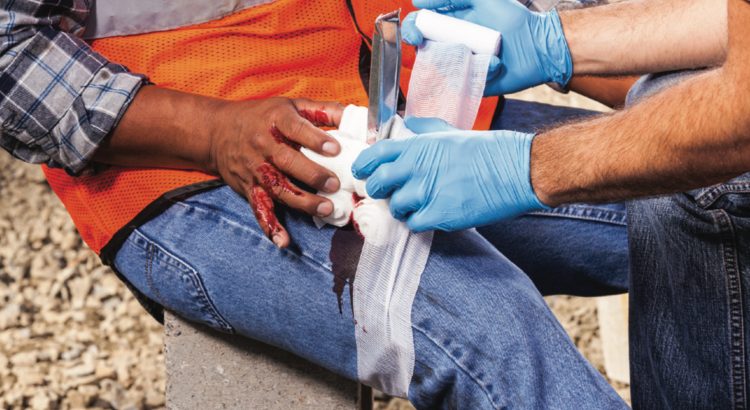
Apply plenty of gauze or pieces of clean cloth around the embedded object to begin to control blood loss.

Place additional bulky dressings around the embedded object to stabilize it in place and prevent it from moving around.

Monitor the patient for signs of shock and treat accordingly.

If the object falls out on its own, apply direct, firm pressure to the wound.


Learn to Save a Life! Take a First Aid CPR AED certification course Today!

Hypothermia

Brrr! How to recognize and treat hypothermia!

Living in New York means enduring harsh winters, including snow, freezing wind and icy sidewalks. To protect yourself from serious injury, it’s important to recognize the signs and symptoms of HYPOTHERMIA.

Protect yourself – what you need to know!

What is Hypothermia?

Hypothermia is a potentially life-threatening condition that occurs when the body loses too much heat. It can be fatal.

Who’s at Risk for Hypothermia?

Everyone can experience hypothermia with prolonged exposure to cold weather.

Even if the weather is NOT cold, a person can STILL get hypothermia if they are wet, wearing wet clothing or exposed to wind.

Children, the Elderly and People with Poor Circulation are especially at risk.

What are the Symptoms of Hypothermia?

A patient experiencing hypothermia may:

become drowsy; indifferent; disoriented or confused.

develop a “glassy stare.”

start shivering, but shivering may stop as the body temperature decreases… if a patient stops shivering, this may be a sign that she needs immediate medical care.

The person may stop responding or need CPR (a 911 operator can tell you how to give CPR).

How do you care for Hypothermia?

Do:

Call 9-1-1

Move the person to a warmer place.

Remove wet clothing and dry the person (remember that wet skin worsens hypothermia!)

Help the person warm up gradually by helping him put on dry clothing (including a hat, gloves and socks) and wrapping him in a blanket.

Don’t:

Don’t pour hot water on him or throw him into a hot bath or shower. (This can be dangerous! – rapidly re-warming a hypothermia victim can cause dangerous heart rhythms! Remember to warm the patient gradually).

Don’t give alcohol or coffee. (Instead, try small sips of a warm beverage like broth or water).

Empower yourself with real knowledge on how to respond to hypothermia and other emergencies – Take a First Aid CPR certification class Today!